
Smoke & Odor
What Is Considered Smoke Damage? Signs, Types and Insurance
The signs and types of smoke damage, how it differs from fire damage, and what insurers look for in a claim.
Smoke reaches rooms the fire never touched. SootMend crews test, clean and seal walls, ceilings, ducts and belongings so the damage stops spreading.
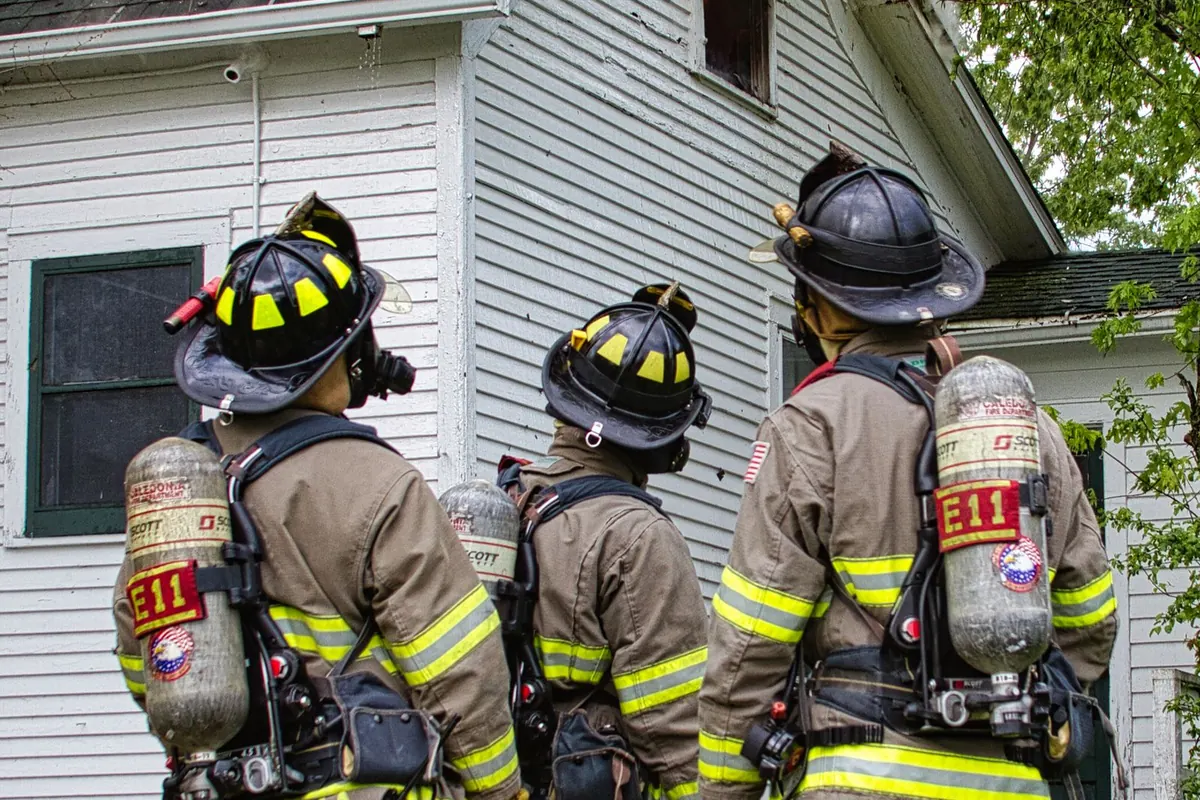
Quick answer: Smoke damage restoration removes the residue, staining and odor smoke leaves on walls, ceilings, HVAC ducts and belongings after a fire. Crews test each surface, clean it with the right dry or wet method, run HEPA air scrubbers and seal what cleaning cannot fully fix. Acidic residue keeps discoloring surfaces, so it should start within days.
The fire's fuel and temperature decide the kind of residue, and the residue decides the cleaning method.
| Type | Where it comes from | What it looks like | Cleaning approach |
|---|---|---|---|
| Dry smoke | Fast, hot fires burning paper and wood | Fine, powdery, gray-black | HEPA vacuum, dry chemical sponge, then wet cleaning |
| Wet smoke | Slow, smoldering fires with plastics and foam | Sticky, smeary, strong odor | Degreasing cleaners, often several passes |
| Protein residue | Burned food in kitchen fires | Nearly invisible yellow film, very strong odor | Enzyme or alkaline cleaners and deodorizing |
| Fuel-oil soot | Furnace puff-backs from oil burners | Black, oily, spreads through the whole house | Solvent cleaning, duct cleaning, contents cleaning |
For more on each residue, see soot removal.
The ANSI/IICRC S700 standard, first published in 2025, sets out these steps for professional fire and smoke damage restoration.
Smoke residue is acidic and oily. In the first hours it can yellow plastics and stain grout. Over the next days it can etch glass, tarnish metal fixtures and discolor paint and upholstery. Electronics can corrode inside. Odor also sinks deeper into carpet, insulation and wood the longer it sits. That is why cleaning soon after the fire usually saves more than waiting for the insurance check.
Smoke follows air flow. It rises, moves toward cooler surfaces and gets pulled through return vents. That is why you may see dark lines on ceilings along joists, gray shadows around outlets and doors, and soot on the filter of an HVAC system in a room that did not burn. A good inspection checks closets, cabinet interiors, the attic and wall cavities near the fire.
Wildfire smoke can damage a house that never caught fire. Ash and fine particles come in through vents, gaps around doors and windows, and the HVAC system. The EPA advises against dry sweeping or using a leaf blower on ash. Use a HEPA-type vacuum, mist surfaces lightly or wipe with a damp cloth instead. The EPA also notes that dry methods, such as vacuuming or "soot" or "chem" sponges, can work for thick deposits. Professional cleaning adds duct cleaning and odor treatment for homes with heavy deposits.
Light smoke film from a single candle or a small pan fire can often be cleaned yourself. The American Red Cross suggests a mild soap or detergent for walls, furniture and floors, wearing rubber gloves. Call a professional when the smoke spread past one room, when residue is oily or smeary, when the smell returns after cleaning, or when the HVAC system ran during the fire.
Photograph soot on walls and ceilings before cleaning, keep receipts for anything you buy, and tell your adjuster about rooms that look clean but smell of smoke. Smoke damage is easy to miss in a quick inspection, and a written scope from a restoration crew helps document it.
Smoke is the cloud of gases and tiny particles a fire gives off. Soot is the residue those particles leave on surfaces. Smoke damage restoration covers both: cleaning the residue, cleaning the air and ducts, and removing the odor the smoke left in porous materials.
Most smoke-damaged walls and ceilings can be cleaned and then sealed with a primer and repainted. Drywall is replaced when heat has charred it, when water from firefighting soaked it, or when cleaning cannot remove the stain or odor.
Light smoke film from a small fire is usually more a nuisance than a hazard once the air is cleaned. Heavy residue can irritate eyes and lungs, especially for children, older adults and people with asthma. If the smell is strong or you have symptoms, stay elsewhere until cleaning is done and ask a doctor about symptoms.
Smoke damage from a sudden fire is usually covered under the fire peril in standard homeowners and renters policies, including smoke from a neighbor's fire. Damage from long-term smoking or a fireplace used normally is usually not. Check your policy and talk with your insurer.
Cleaning a few rooms after a small fire often takes two to five days. Whole-house smoke damage, with duct cleaning and contents cleaning, can take one to three weeks.
Yes. Smoke and ash can enter through vents, gaps and the HVAC system and settle on surfaces and in ducts. The EPA advises cleaning ash with a HEPA vacuum or damp cloth rather than dry sweeping.
Dry, wet, protein and fuel-oil soot cleaned with the method each one needs.
Smoke smell traced to its source, then treated with thermal fogging, hydroxyl or ozone.
Belongings inventoried, packed out, cleaned and stored while the home is restored.
Smoke & Odor
The signs and types of smoke damage, how it differs from fire damage, and what insurers look for in a claim.

Insurance & Claims
What a homeowners policy pays after a fire, from the house and belongings to smoke and hotel costs, and the exclusions to know.
Smoke & Odor
A step-by-step plan to remove smoke smell from walls, ducts, carpet and fabrics, and when masking it won't work.
Last reviewed November 19, 2026 by SootMend Editorial. General information, not legal, insurance or professional advice. Read our editorial policy.
Fire or smoke damage at your property?
Call SootMend 24/7 to get board-up, soot cleanup and smoke odor removal started.
Call 1-800-555-0199