
Restoration Basics
Fire Damage Restoration Cost: What Drives the Price
The factors that raise or lower the cost of fire damage restoration, how estimates are written, and how insurance pays.
Once the property is clean and dry, the burned parts get rebuilt: framing, roofing, drywall, wiring, windows, floors and finishes, with permits and inspections.
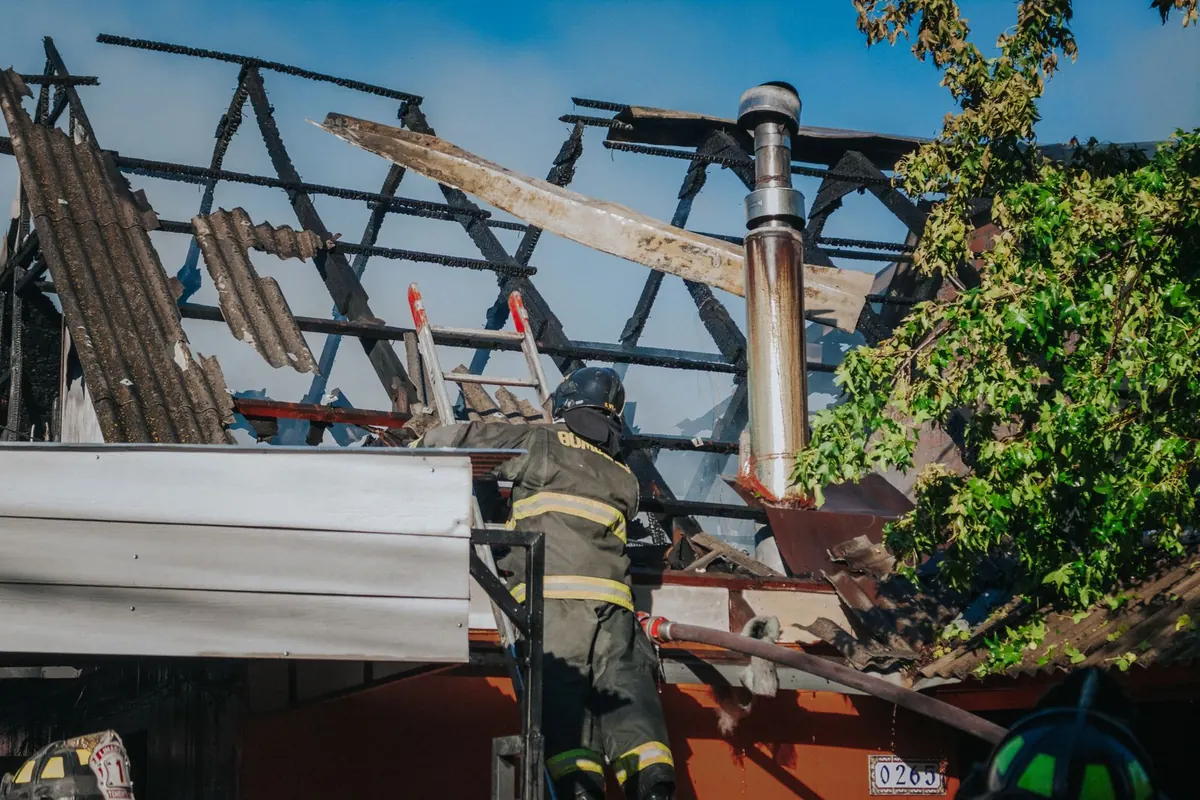
Quick answer: Fire damage repair rebuilds what the fire destroyed after cleanup is done: structural framing, roof decking and shingles, drywall, insulation, wiring, windows, cabinets, floors and paint. Repairs usually need building permits and inspections. In homes built before 1978, the EPA requires paid contractors who disturb painted surfaces to follow lead-safe work rules.
| Area | Common damage | Usual repair |
|---|---|---|
| Roof | Burned decking, vent cuts, melted shingles | New decking, underlayment, shingles |
| Framing | Charred studs, joists, rafters | Replace, sister or seal depending on depth |
| Electrical | Melted wire insulation, damaged panel | Rewire affected circuits; inspection |
| Walls and ceilings | Burned or soaked drywall, smoky insulation | Replace, seal framing, finish |
| Kitchen | Cabinets, counters, range hood | Replace cabinets, clean or replace hood duct |
| Floors | Burn marks, water cupping | Refinish or replace flooring and subfloor |
Most fire-damaged homes are repaired, not torn down. A full rebuild is more likely when a large share of the framing burned, the roof collapsed, or the foundation cracked from heat. Your building official or a structural engineer makes that call. Insurance pays based on your policy's dwelling limit and whether it pays replacement cost or actual cash value.
Repairs must meet the codes your city or county enforces now, which may be stricter than when the house was built. That can mean new smoke alarms, wiring, egress windows or roof fastening. Most states and many cities require electrical, plumbing and HVAC work to be done by a licensed contractor, and many require a licensed general contractor for structural work. Ask who will hold the permit and check the license with your state.
Lead-based paint was common in homes built before 1978, when it was banned for housing. The EPA's Renovation, Repair and Painting Rule requires anyone paid to disturb painted surfaces in those homes to follow lead-safe practices. Asbestos may be in old floor tile, ceiling texture, pipe wrap or siding. You cannot tell by looking, so testing before tear-out protects your family and the crew.
Painting a smoke-stained room after it has been cleaned and sealed can be a DIY job. Structural, roofing, electrical and gas work should not be. It needs permits and, in most places, licensed trades, and mistakes can void insurance or fail inspection.
Ask your insurer whether your policy pays replacement cost or actual cash value, and whether it includes ordinance or law coverage for code upgrades. The NAIC lists additional living expenses among common coverages, which can pay for temporary housing during long repairs. Keep the repair estimate, change orders and receipts together. Before repairs, make sure fire damage cleanup and smoke odor removal are finished.
Most can. If the foundation and most of the framing are sound, burned sections are removed and rebuilt. A structural engineer or building official decides when damage is too severe and the house must be torn down and rebuilt.
Repairs after a small kitchen fire can take one to four weeks. A house with burned framing, roofing and wiring often takes three to nine months, including permits, insurance approval and material lead times.
Usually yes for structural, roofing, electrical, plumbing and HVAC work. Cosmetic work such as paint may not need one. Your city or county building department sets the rules, and a contractor that holds the permit handles the inspections.
Lightly scorched framing is sometimes cleaned, sealed and left, if an inspection shows it is still strong. Deeply charred members that lost strength are replaced or reinforced. Sealing with an odor-blocking primer stops leftover smell.
Only if your policy has ordinance or law coverage, which pays extra costs to meet current building codes during repairs. Many standard policies include a limited amount. Check yours and ask your agent.
Debris out, water from fire hoses removed, and burned materials torn out so restoration can start.
Broken windows, doors and roof holes covered to keep out rain, animals and intruders.
Smoke smell traced to its source, then treated with thermal fogging, hydroxyl or ozone.
Restoration Basics
The factors that raise or lower the cost of fire damage restoration, how estimates are written, and how insurance pays.
Restoration Basics
Each step of fire damage restoration in order, what happens at each one, and how long the whole process usually takes.

Insurance & Claims
What a homeowners policy pays after a fire, from the house and belongings to smoke and hotel costs, and the exclusions to know.
Last reviewed November 19, 2026 by SootMend Editorial. General information, not legal, insurance or professional advice. Read our editorial policy.
Fire or smoke damage at your property?
Call SootMend 24/7 to get board-up, soot cleanup and smoke odor removal started.
Call 1-800-555-0199