
First Steps
What to Do After a House Fire: Checklist for the First Days
A step-by-step checklist for the first 24 hours and first week after a house fire, from safety to insurance and cleanup.
Before anything can be cleaned or rebuilt, the burned debris, wet materials and firefighting water have to come out. That is fire damage cleanup.
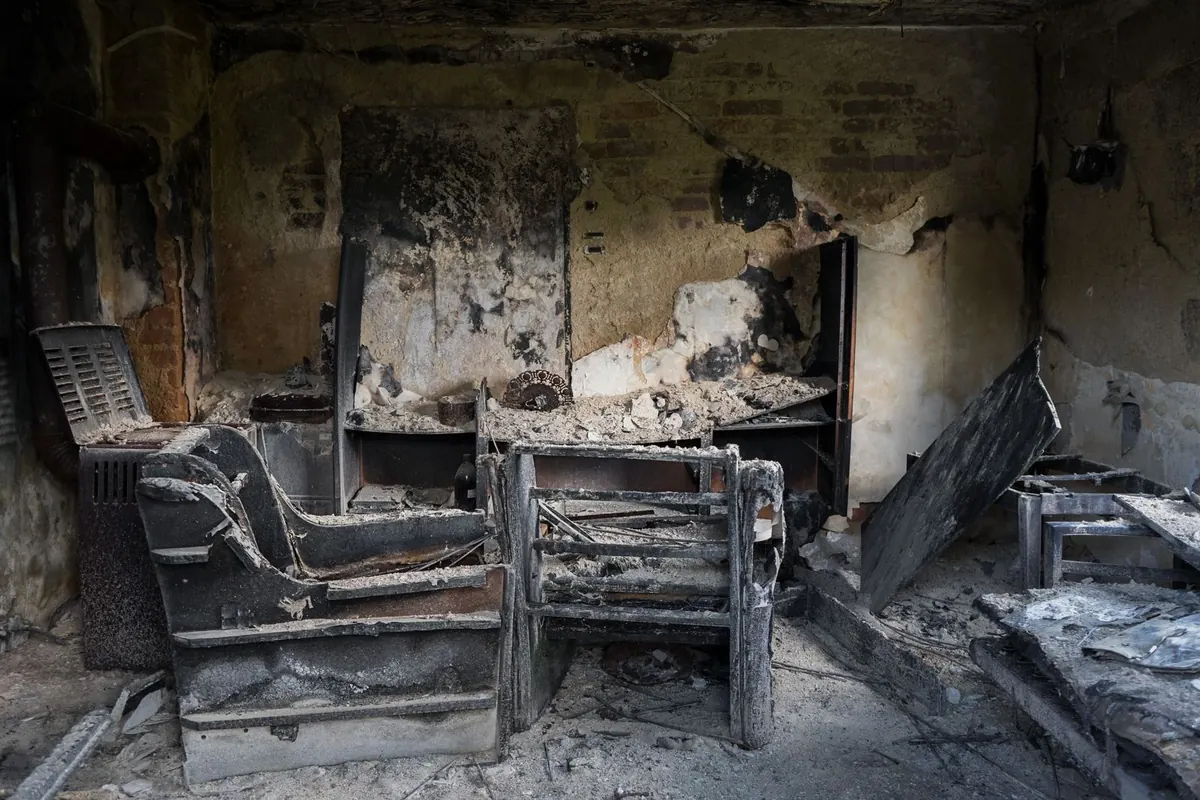
Quick answer: Fire damage cleanup removes what the fire and the firefighters left behind: burned debris, soaked carpet and drywall, standing water and loose ash. It comes before soot cleaning and repairs. The EPA says wet materials dried within 24 to 48 hours usually will not grow mold, so cleanup should start as soon as the building is released.
| Material | Usually | Why |
|---|---|---|
| Drywall with light smoke film | Cleaned and sealed | Surface residue only |
| Charred or soaked drywall | Removed | Heat damage and mold risk |
| Wet insulation | Removed | Holds water and odor |
| Hardwood floors | Often dried and refinished | Depends on cupping and burn depth |
| Carpet and pad soaked by hoses | Pad removed; carpet often removed | Pad cannot be dried and deodorized reliably |
| Food, medicine, cosmetics | Thrown away | Heat and soot make them unsafe |
Fire hoses put a large amount of water into a house very quickly. That water soaks into subfloors, runs into the floor below and wicks up drywall. It also mixes with soot and ash into a dirty slurry. Leave it, and you add mold and swollen floors to the fire damage. That is why drying starts on day one, with extraction, air movers, dehumidifiers and daily moisture readings.
Fire debris is not ordinary trash. The EPA says ash from burned structures is generally more hazardous than forest ash, and warns against dry sweeping or using a leaf blower. In homes built before 1978, painted surfaces may contain lead; the EPA requires paid contractors who disturb that paint to follow lead-safe work practices. The EPA also says suspect materials such as old floor or ceiling tile should be sampled by a trained, accredited asbestos inspector before renovation disturbs them.
Kitchen fires are the most common home fires. Cooking is the leading cause of home fires, according to the NFPA. Even a small grease fire leaves sticky, oily residue on cabinets, the range hood, ceiling and walls, and protein residue from burned food that is nearly invisible but smells strongly. Cabinet interiors, the hood duct and nearby rooms all need cleaning, not only the stove area.
Get a written estimate and send it to your adjuster before tear-out starts, unless an emergency step cannot wait.
You can handle a pan fire that left light smoke on one wall: open windows, wear gloves and a mask, and wipe hard surfaces with a mild detergent. Call a professional when any of these is true:
Keep the fire department's incident report number, photograph every room before anything is moved, and save every receipt. The U.S. Fire Administration lists these as things your insurer may ask for. Ask your insurer about additional living expenses if you cannot stay in the home during cleanup.
Safety and securing the property. Nobody should enter until fire officials release the building. Then a crew checks the structure and utilities, boards up openings, and starts removing water before it soaks further into floors and walls.
You can do small jobs, such as wiping light soot from a hard surface after a minor kitchen fire, wearing gloves and a mask. Burned materials, soaked drywall, heavy soot and anything in an older home that may contain lead or asbestos should be left to a professional crew.
Throw out food, drinks and medicine exposed to heat, smoke, soot or firefighting water, even if sealed. Burned mattresses, upholstered furniture that soaked up smoke, and soaked insulation usually go too. Photograph everything before it is thrown away for your insurance claim.
Cleanup after a small kitchen fire can take one to three days. A house fire that burned through several rooms often takes one to three weeks before rebuilding starts, depending on water damage, tear-out and insurance approval.
Fire is a covered peril in most homeowners and renters policies, and cleanup is part of the claim. The U.S. Fire Administration suggests asking your insurer whether you or they will pay the cleaning company, and getting a written estimate first.
Broken windows, doors and roof holes covered to keep out rain, animals and intruders.
Smoke residue cleaned from walls, ceilings, ducts and fixtures before it stains and corrodes.
Burned framing, drywall, roofing, wiring and finishes rebuilt to code.
First Steps
A step-by-step checklist for the first 24 hours and first week after a house fire, from safety to insurance and cleanup.
Restoration Basics
Each step of fire damage restoration in order, what happens at each one, and how long the whole process usually takes.

Insurance & Claims
How to prepare for the adjuster's visit, what to document and say, and what to do if the estimate comes in low.
Last reviewed November 19, 2026 by SootMend Editorial. General information, not legal, insurance or professional advice. Read our editorial policy.
Fire or smoke damage at your property?
Call SootMend 24/7 to get board-up, soot cleanup and smoke odor removal started.
Call 1-800-555-0199