
Fire Damage Restoration Locations
SootMend takes fire, smoke and soot damage calls in all 50 states and Washington, DC. Pick your state to see its fire risks, heating mix, insurance regulator and contractor rules.
- All 50 states and DC
- Homes, rentals and businesses
- 24/7 fire damage calls
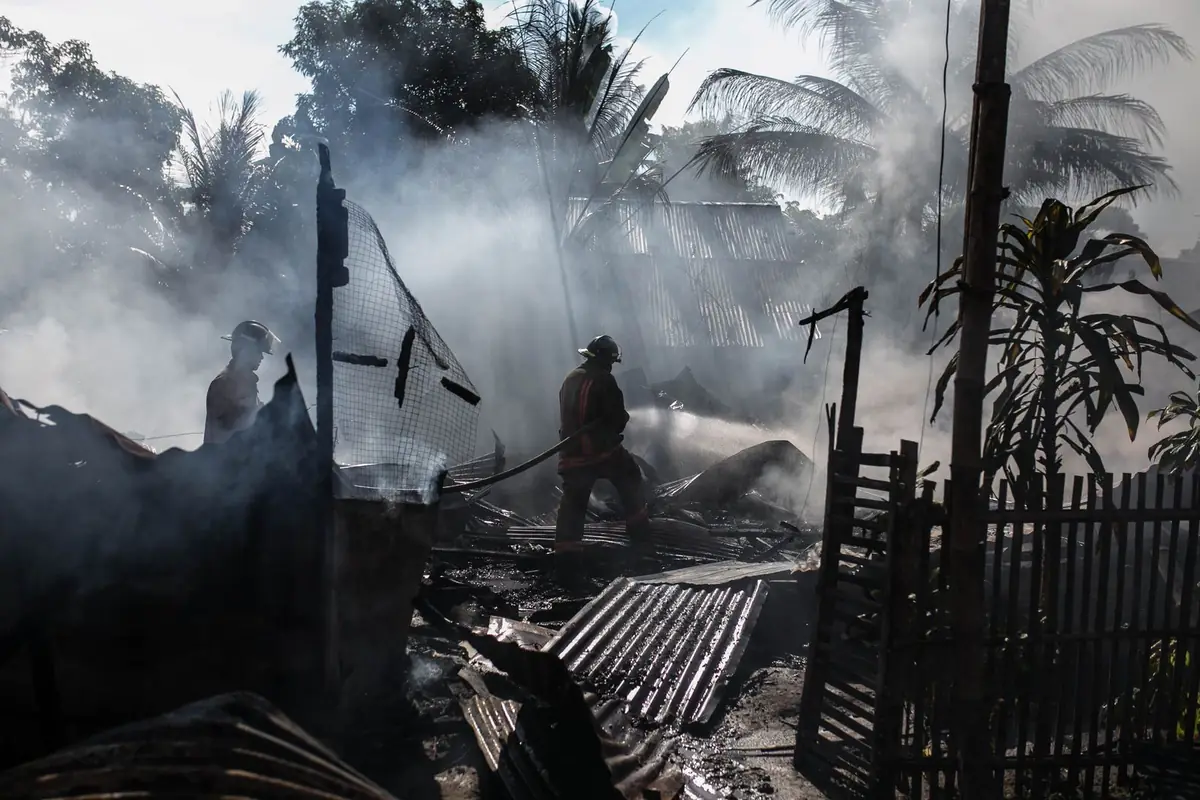
Quick answer: SootMend handles fire damage restoration nationwide: board-up, soot and smoke cleanup, odor removal, contents cleaning and repairs. Each state page explains local fire risks, how homes are heated, recent FEMA fire declarations, the state insurance regulator and how to check a contractor, so you know what to expect where you live.
Choose your state
Northeast
- ConnecticutBridgeport, Stamford, New Haven
- MainePortland, Lewiston, Bangor
- MassachusettsBoston, Worcester, Springfield
- New HampshireManchester, Nashua, Concord
- New JerseyNewark, Jersey City, Paterson
- New YorkNew York City, Buffalo, Yonkers
- PennsylvaniaPhiladelphia, Pittsburgh, Allentown
- Rhode IslandProvidence, Cranston, Warwick
- VermontBurlington, South Burlington, Rutland
Midwest
- IllinoisChicago, Aurora, Naperville
- IndianaIndianapolis, Fort Wayne, Evansville
- IowaDes Moines, Cedar Rapids, Davenport
- KansasWichita, Overland Park, Kansas City
- MichiganDetroit, Grand Rapids, Warren
- MinnesotaMinneapolis, St. Paul, Rochester
- MissouriKansas City, St. Louis, Springfield
- NebraskaOmaha, Lincoln, Bellevue
- North DakotaFargo, Bismarck, Grand Forks
- OhioColumbus, Cleveland, Cincinnati
- South DakotaSioux Falls, Rapid City, Aberdeen
- WisconsinMilwaukee, Madison, Green Bay
South
- AlabamaHuntsville, Mobile, Birmingham
- ArkansasLittle Rock, Fayetteville, Fort Smith
- DelawareWilmington, Dover, Newark
- Washington, DCAll eight wards
- FloridaJacksonville, Miami, Tampa
- GeorgiaAtlanta, Columbus, Augusta
- KentuckyLouisville, Lexington, Bowling Green
- LouisianaNew Orleans, Baton Rouge, Shreveport
- MarylandBaltimore, Columbia, Germantown
- MississippiJackson, Gulfport, Southaven
- North CarolinaCharlotte, Raleigh, Greensboro
- OklahomaOklahoma City, Tulsa, Norman
- South CarolinaCharleston, Columbia, North Charleston
- TennesseeNashville, Memphis, Knoxville
- TexasHouston, San Antonio, Dallas
- VirginiaVirginia Beach, Chesapeake, Arlington
- West VirginiaCharleston, Huntington, Morgantown
West
- AlaskaAnchorage, Fairbanks, Juneau
- ArizonaPhoenix, Tucson, Mesa
- CaliforniaLos Angeles, San Diego, San Jose
- ColoradoDenver, Colorado Springs, Aurora
- HawaiiHonolulu, East Honolulu, Hilo
- IdahoBoise, Meridian, Nampa
- MontanaBillings, Missoula, Great Falls
- NevadaLas Vegas, Henderson, North Las Vegas
- New MexicoAlbuquerque, Las Cruces, Rio Rancho
- OregonPortland, Eugene, Salem
- UtahSalt Lake City, West Valley City, West Jordan
- WashingtonSeattle, Spokane, Tacoma
- WyomingCheyenne, Casper, Gillette
City pages
These cities have their own fire damage restoration pages, with local housing, heating and wildfire details. More are added each month.
- Arlington, TX
- Atlanta, GA
- Aurora, CO
- Austin, TX
- Baltimore, MD
- Baton Rouge, LA
- Boise, ID
- Charlotte, NC
- Chicago, IL
- Cincinnati, OH
- Cleveland, OH
- Colorado Springs, CO
- Columbus, OH
- Dallas, TX
- Denver, CO
- Durham, NC
- Fort Worth, TX
- Gilbert, AZ
- Houston, TX
- Indianapolis, IN
- Jacksonville, FL
- Kansas City, MO
- Las Vegas, NV
- Long Beach, CA
- Los Angeles, CA
- Louisville, KY
- Madison, WI
- Memphis, TN
- Mesa, AZ
- Miami, FL
- Minneapolis, MN
- Nashville, TN
- New York, NY
- Omaha, NE
- Orlando, FL
- Philadelphia, PA
- Phoenix, AZ
- Pittsburgh, PA
- Plano, TX
- Portland, OR
- Raleigh, NC
- Reno, NV
- Sacramento, CA
- Salt Lake City, UT
- San Antonio, TX
- San Diego, CA
- Seattle, WA
- Tampa, FL
- Tucson, AZ
- Wichita, KS
How fire risk differs across the country
A fire damage call in Maine looks different from one in Arizona. Here are four national patterns from federal data, and the states where each one stands out.
| Pattern | States where it stands out | What it means for cleanup |
|---|---|---|
| Most FEMA wildfire assistance since 2000 | California, Texas, Washington, Oklahoma, Oregon | Smoke, ash and odor in homes the fire never reached |
| Highest fire death risk (USFA, 2023) | Hawaii, Washington, DC, Alaska, West Virginia, Oklahoma | Fast-moving house and wildland fires; heavy structural damage |
| Most homes heated with fuel oil | Maine, New Hampshire, Vermont, Connecticut, Alaska | Oily puff-back soot that smears if wiped with water |
| Most homes heated with wood | Vermont, Maine, Montana, New Mexico, Idaho | Chimney and stove fires, creosote and smoke in wood interiors |
Sources: OpenFEMA fire declarations 2000 to November 2026; USFA State Fire Death Risk (2023); Census ACS 2024 house heating fuel.
What every state page covers
- Fire risk at a glance: housing age, heating fuels, fire deaths and FEMA fire declarations.
- Local fire problems and the service that fixes each one.
- Safety tips matched to the state's climate and housing.
- Insurance and licensing: the state insurance regulator and how to check a repair contractor.
- Areas served and links to neighboring states.
Whatever state you are in, the work follows the same order: secure the property with board-up and roof tarping, remove water and debris with fire damage cleanup, clean soot and smoke damage, remove odor and finish with repairs.
Questions about where we work
Does SootMend work in my state?
Yes. SootMend takes fire, smoke and soot damage calls in all 50 states and Washington, DC, including small towns and rural counties. Call 1-800-555-0199 any time.
Why does fire risk differ so much from state to state?
Weather, wildfire fuels, heating fuel, housing age, rural distances and age of residents all play a part. Western states see more wildfires, while oil-heated Northeast homes see more puff-backs, and some Southern states have higher fire death rates.
Who regulates home insurance in my state?
Each state has its own insurance department or commission. Your state page names it and links to it. That office takes complaints when a claim stalls or is denied.
Sources
- U.S. Fire Administration: State Fire Death Risk
- FEMA: Disaster declarations
- U.S. Census Bureau: American Community Survey
Last reviewed November 19, 2026 by SootMend Editorial. General information, not legal, insurance or professional advice. Read our editorial policy.
Fire or smoke damage at your property?
Call SootMend 24/7 to get board-up, soot cleanup and smoke odor removal started.
Call 1-800-555-0199